Access to multicultural food in Govanhill
For many in Govanhill’s diverse community, food plays an important cultural role and provides a connection to home. Community reporter Grace Nthara explores the difficulties in finding some multicultural food and the initiatives working to improve access.
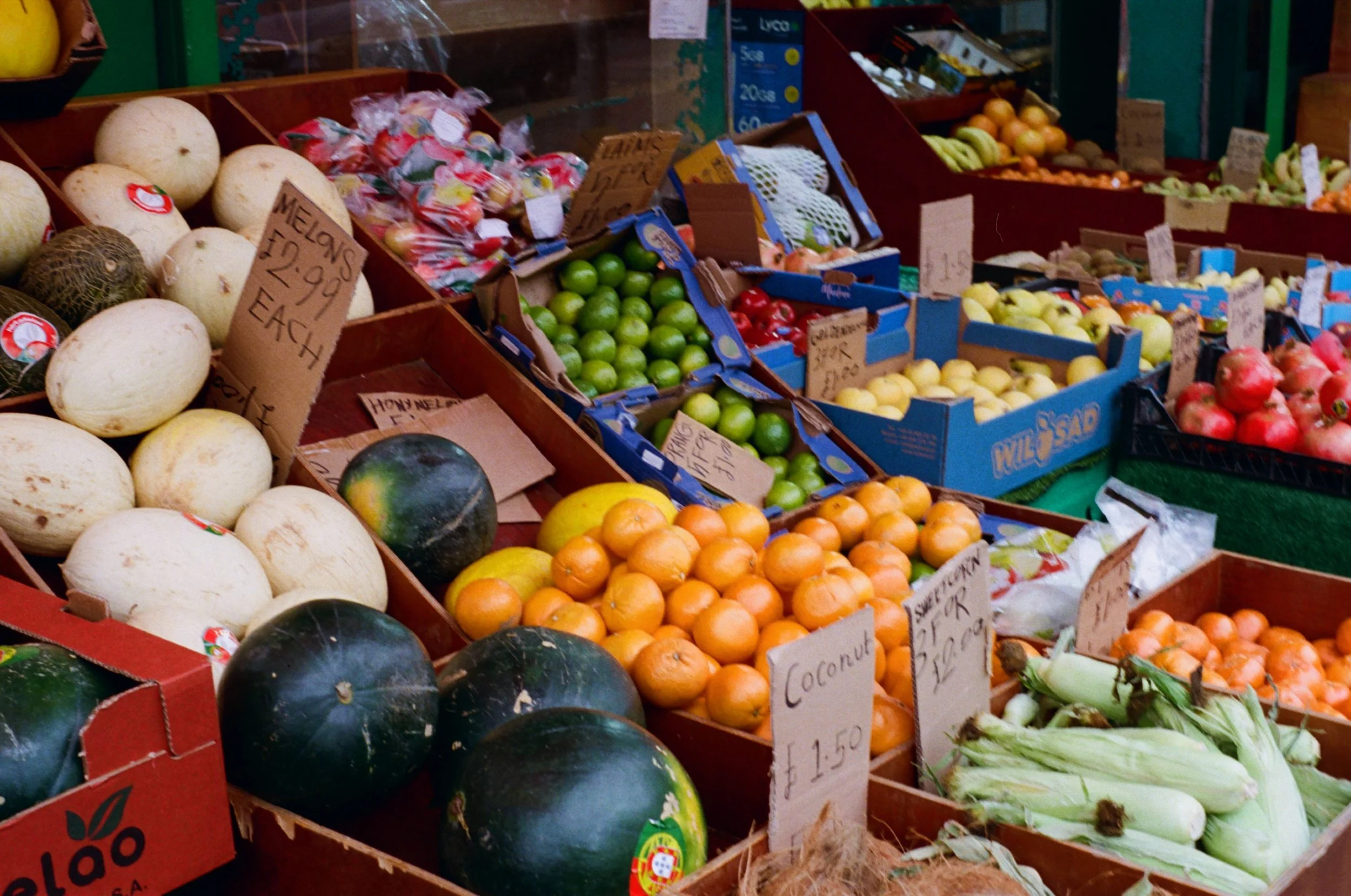
By Grace Nthara | Photo by Fernanda Welsh Peña
Govanhill is one of Glasgow’s most vibrant, multicultural neighbourhoods. While home to many communities, a significant number of people come from Eastern European, South Asian, Middle Eastern and African populations, which has created a diverse food landscape.
The area has a wide range of food shops boasting food items from various cultures including Afghani, Kurdish, Romanian and more – many of which attract customers with colourful displays of fruits and vegetables, and enticing aromas drifting along the road.
But while the community is enriched with spices, rhythms and stories, a quieter crisis simmers: the challenge of putting culturally meaningful, nutritious and affordable food on the table.
For many ethnic minority residents, food is not just about sustenance but identity, tradition, and connection to home. However, high costs and limited availability can result in a battle to obtain everyday needs.
Food access challenges
The main barriers to accessing culturally appropriate food in Glasgow are around finances and quality. Many cultural foods are expensive while also being low in quality, due to long shipping times.
Specialty ingredients like yam, plantain, specific spices, halal meats, or fresh herbs are central to traditional dishes but they are often expensive due to import costs or limited local supply.
One shopkeeper I spoke to said the main problem was the high cost of importation by wholesalers which is passed on to customers. This can have a big impact, particularly for larger families or those on low incomes.
Research from the Coalition for Racial Equality and Rights shows that Black and minority ethnic households are overrepresented in deprived areas. The most vulnerable families might need to spend more than half of their disposable income on a healthy diet, compared to just 11 percent for the least deprived, according to the Broken Plate report.
Nutrition is also a key issue. UK-wide data shows that nutritious foods can be up to three times more expensive than energy-dense, less healthy options high in salt, sugar and fat.
Ethnic minorities in Scotland, including in Glasgow, also face higher risks of food insecurity. Racialised communities are overrepresented in food bank referrals, but mainstream food banks and pantries sometimes fall short on culturally appropriate items such as halal or specific staples from diverse cultures.
While some neighborhoods have thriving ethnic retail scenes, others rely on distant supermarkets or expensive corner shops. Transport costs, time constraints – especially for shift workers or single parents – and the uneven distribution of quality fresh produce all add layers of difficulty.
Creative solutions
Glaswegians are responding creatively to these issues. Initiatives like the Scottish Pantry Network provide discounted surplus food in various Glasgow locations, while community projects, vegetable delivery boxes, and cooking classes aim to bridge gaps.
Some ethnic supermarkets offer bulk buying and competitive pricing, while places of worship often coordinate food support that respects cultural needs.
In Govanhill, organisations like the Govanhill Baths Community Trust run community food projects like The People’s Pantry, providing information about local food access programmes. Locavore aims to build a more sustainable local food system, delivering organic fruits and vegetables to homes across the city.
The way forward
Local people emphasise the need for “cash first” approaches – direct financial support – instead of food parcels to uphold dignity and choice, including cultural needs. The Glasgow City Food Plan seeks to address inequalities through better coordination, information hubs, and partnerships.
As Scotland strives to become a ‘Good Food Nation’ – a Scottish Government initiative to create a fairer, healthier and more sustainable food system – tackling these disparities is essential. Supporting multicultural shops, improving public transport to fresh food sources, subsidising healthy staples, and ensuring food aid respects cultural preferences could all make a big difference.
For ethnic minority families, affordable access to food that both nourishes the body and respects heritage isn’t a luxury, it’s a right.
In a city famed for its warmth and diversity, ensuring no one is priced out of their own culinary traditions is a recipe for a fairer, healthier future.
The conversation – and the cooking – must continue.
