Makongo confronts borders, identity and belonging on debut album ‘Passport’
“No one is illegal, we are all equal” is the message of Makongo’s debut album ‘Passport’. In this article Makongo vocalist Ngana talks about the sounds, themes and inspiration behind their new album, and shares details for their upcoming gig at The Glad.
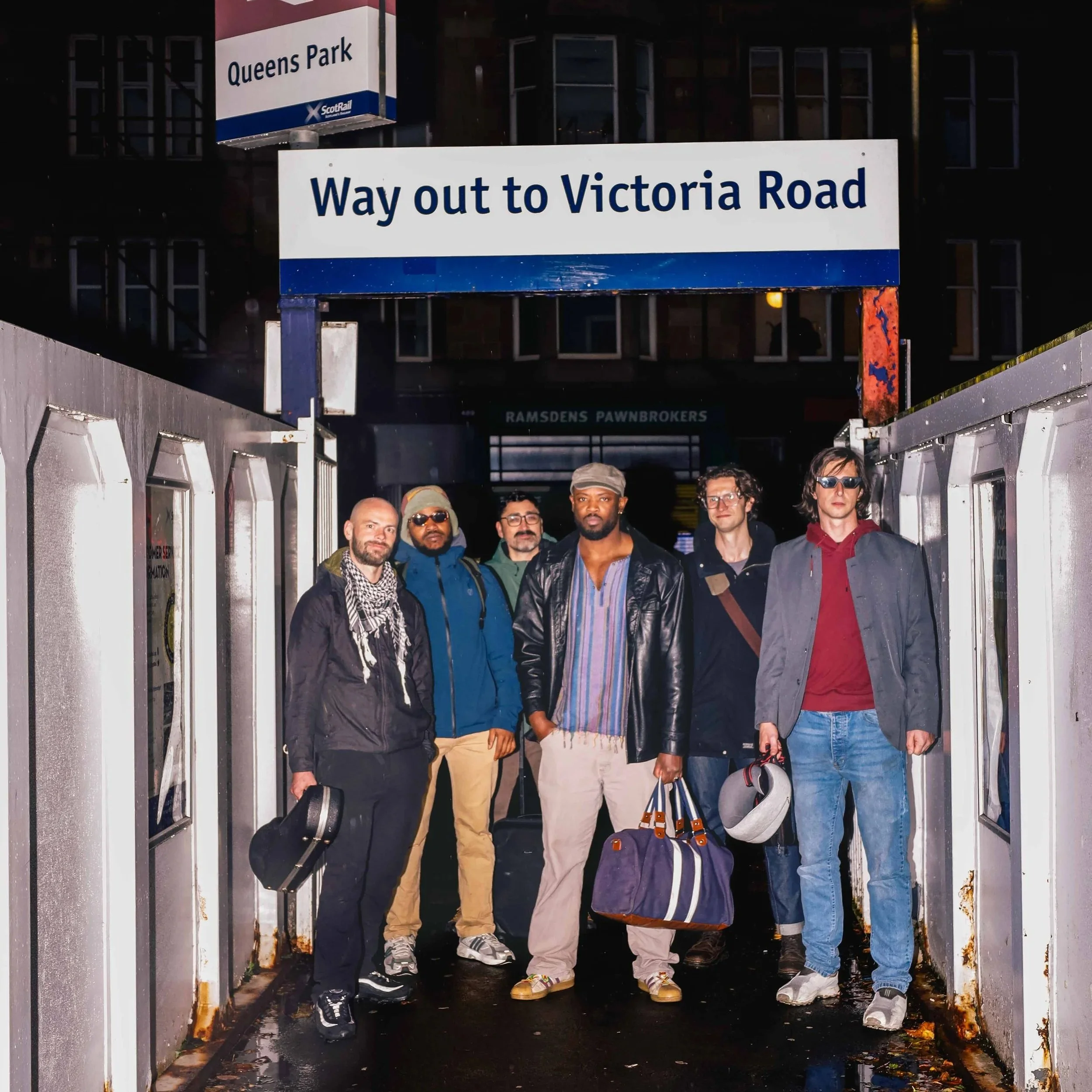
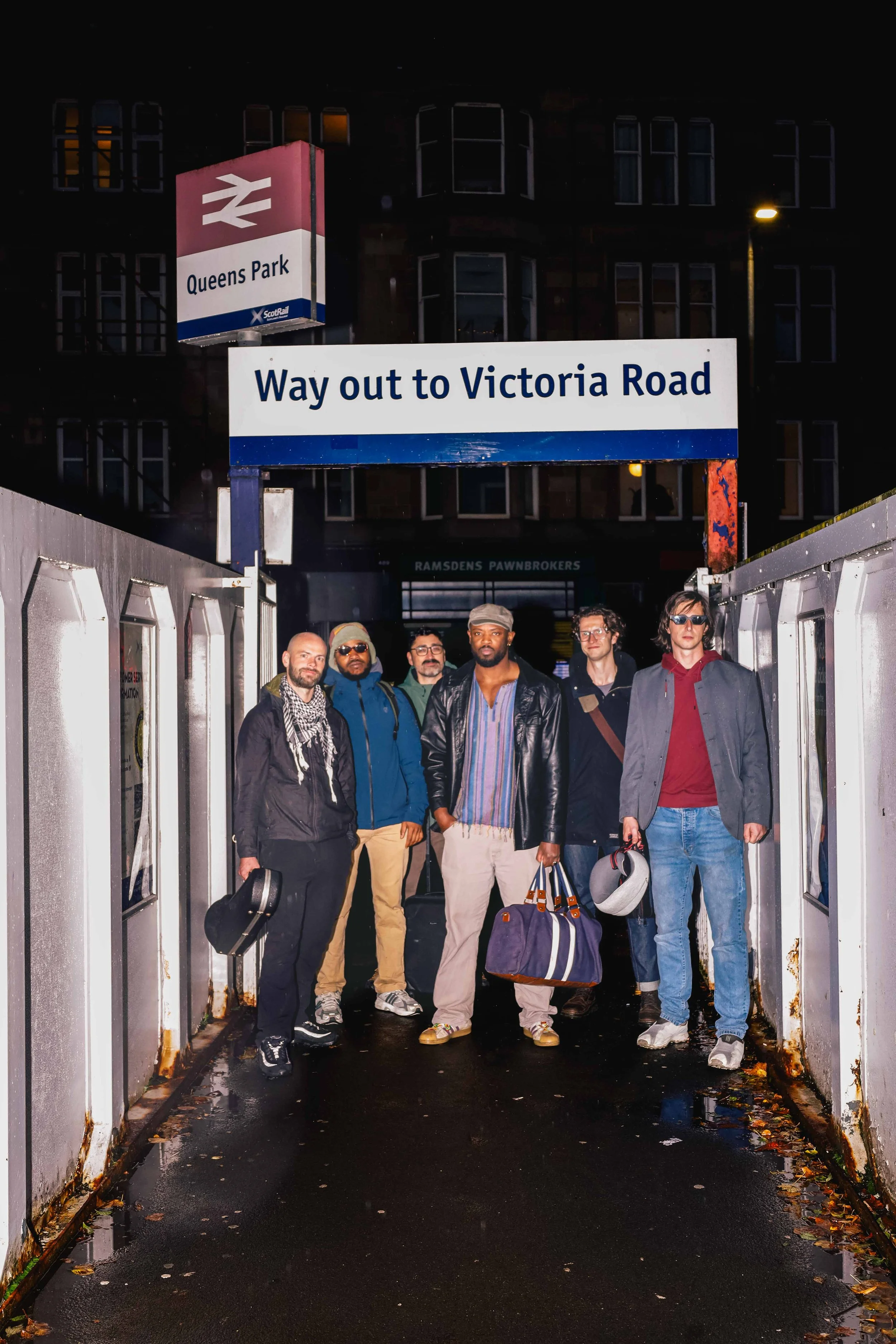
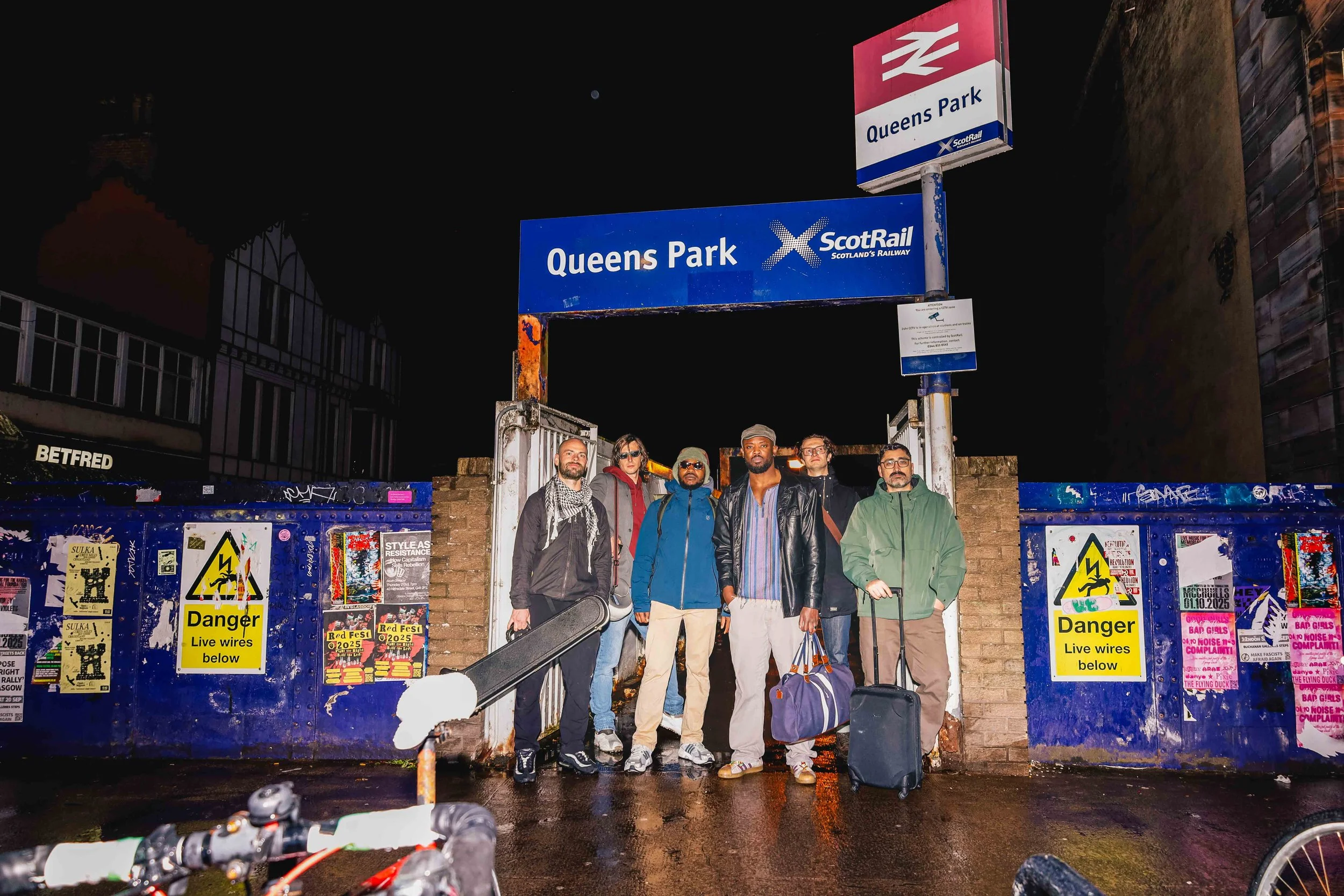
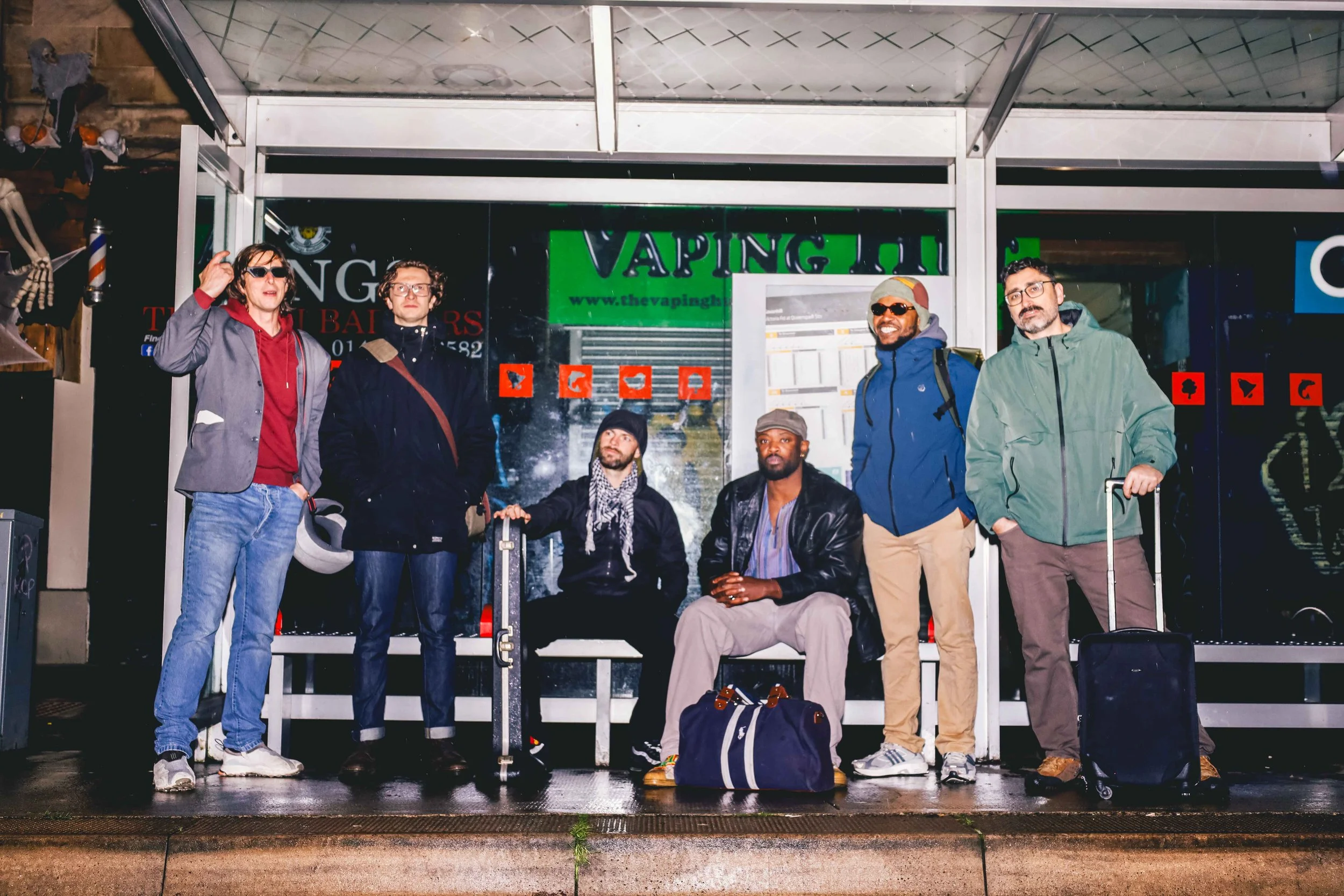
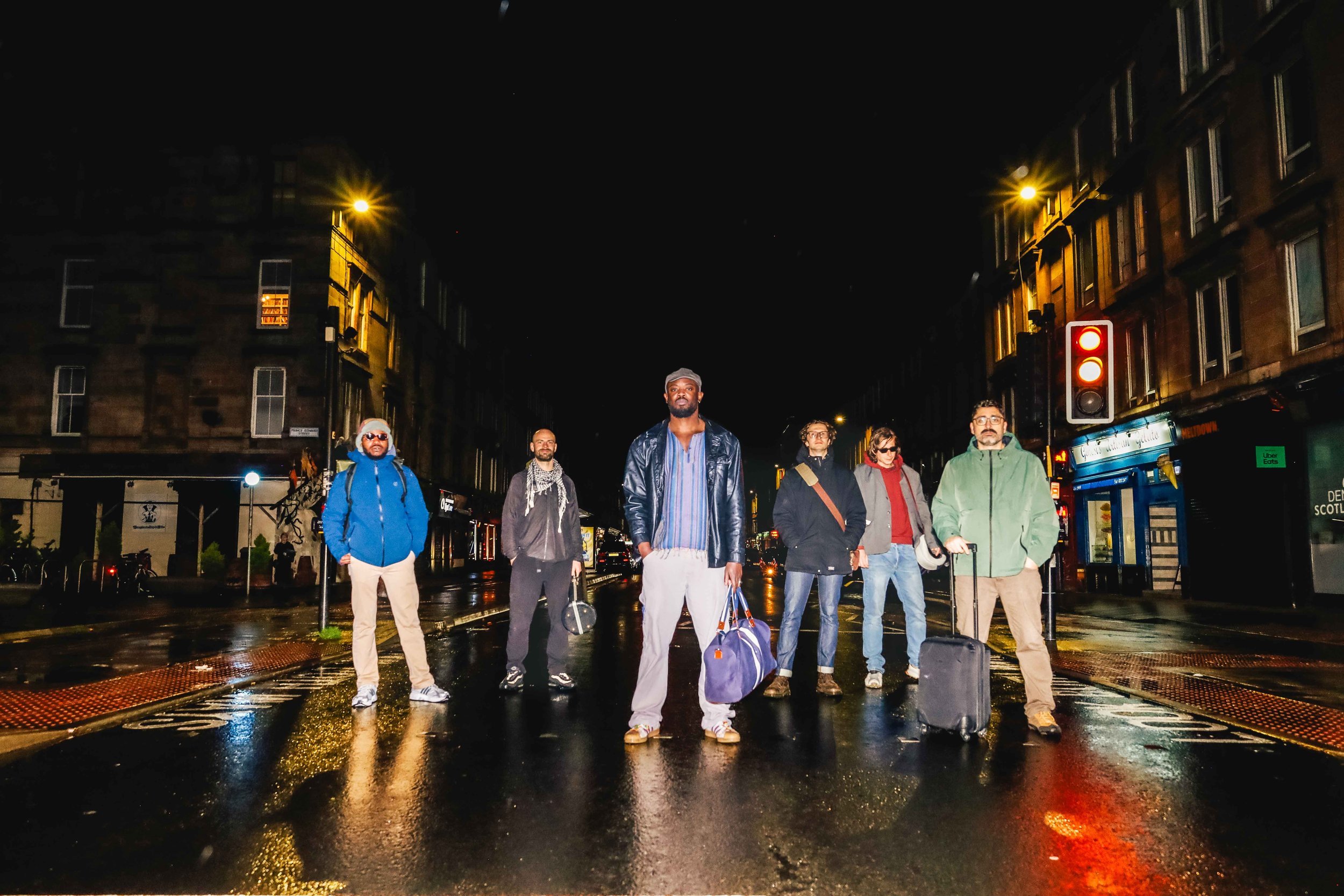
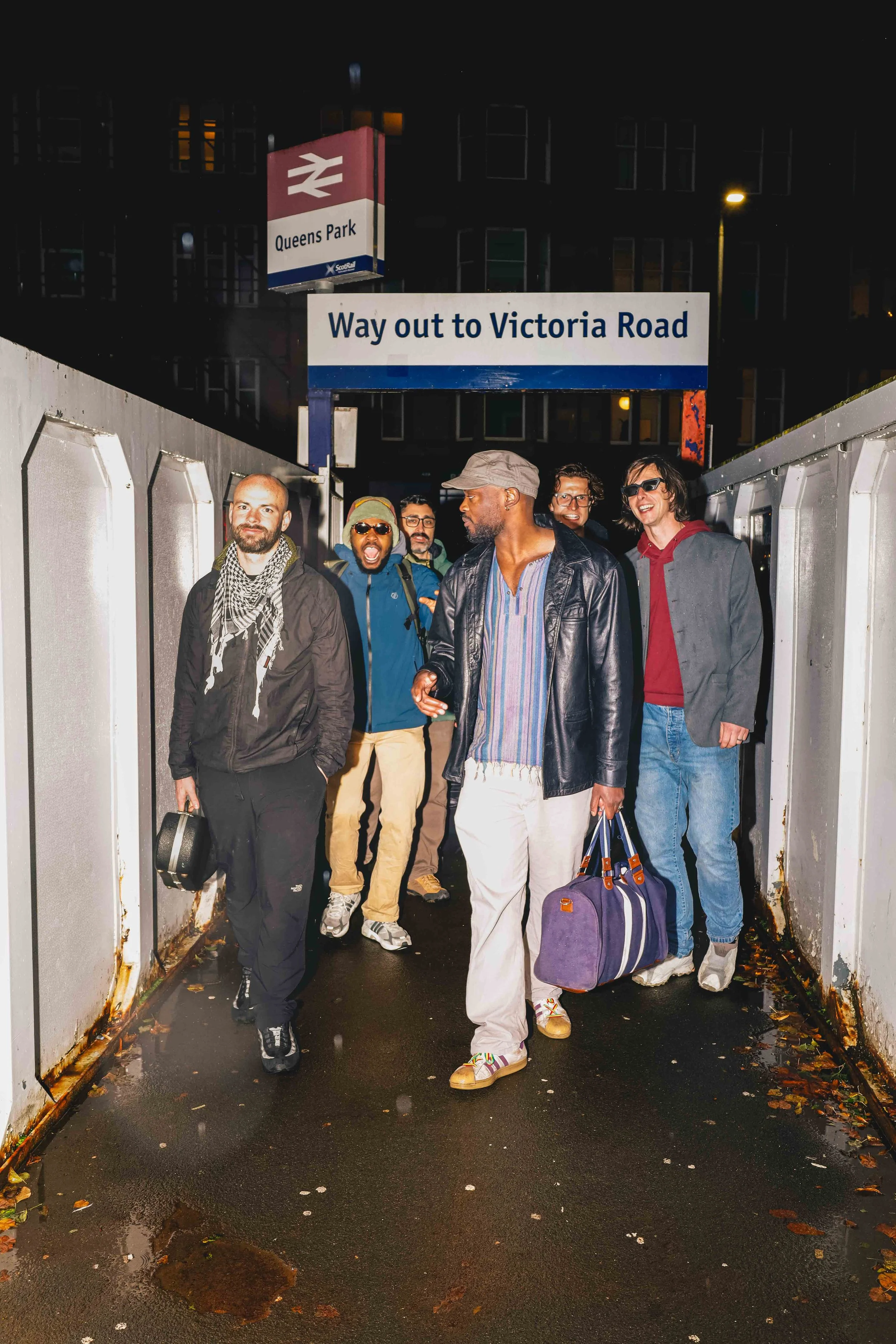
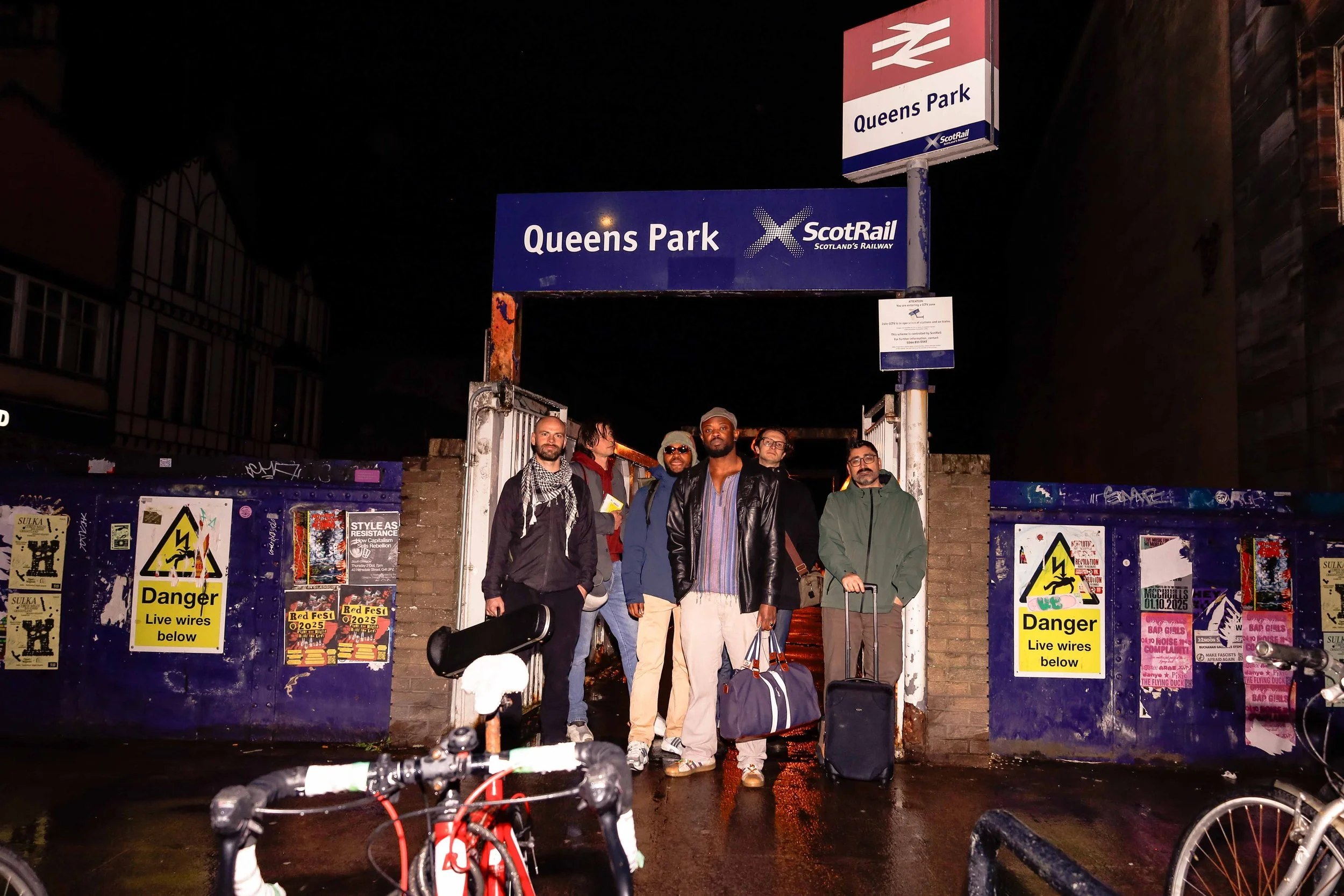
Govanhill collective Makongo leaving Queen’s Park Station
Words by Emma Edwards | Photos by Samuel Moreno
Govanhill collective Makongo’s debut album ‘Passport’ brings ten musicians from seven countries into a politically charged, genre-blurring record rooted in migration and resistance.
Arriving as anti-immigration rhetoric continues to harden in the mainstream, Makongo’s new album responds not with abstraction but lived experience. Ngana, vocalist, says: “When the opportunity to write an album came, I felt the environment and the political climate around us demanded something more meaningful.”
The group, formerly known as Bojangles, draws influence from the likes of Bob Marley and Rage Against the Machine, but the results resist easy comparison: a fusion of hip-hop, funk, jazz, African rhythms and electronic textures.
“We’ve got people from Poland, Chile, Nigeria, Scotland, Ireland, Angola, all over the world.” reveals Ngana. “That diversity exists here, especially in places like Govanhill. Music is everywhere; all my friends are musicians. I was supposed to be retired, I’m not that young anymore, but when I moved to Glasgow, I couldn’t escape music.”
The band is anchored in ancestral heritage, the name Makongo comes from vocalist Ngana’s maternal surname, meaning “problem” in Kimbundu. Ngana says: “I felt we had an obligation to evolve into something more meaningful. The album uses Portuguese, English, Spanish, German, and Kimbundu. ‘Passport’ is really about collecting all my experiences with the world. I’ve lived in four different countries and that journey is reflected through language.”
‘Passport’ opens with a traveler's prayer. ‘Ngunzo’ uses sitar, brass and woozy slow-paced drums to create a meditative atmosphere. The track is sung in Portuguese, interwoven with words and phrases in Kimbundu.
“I’ve always been a traveller, a refugee, a migrant, someone working abroad. I wanted to start the album with a prayer.” explains Ngana. “I don’t really speak my traditional language, Kimbundu, because of colonisation, so I called my mum and asked her to help me translate and compose some of the lyrics. That made me feel very connected. I wanted people to feel something, even if they don’t understand the words.”
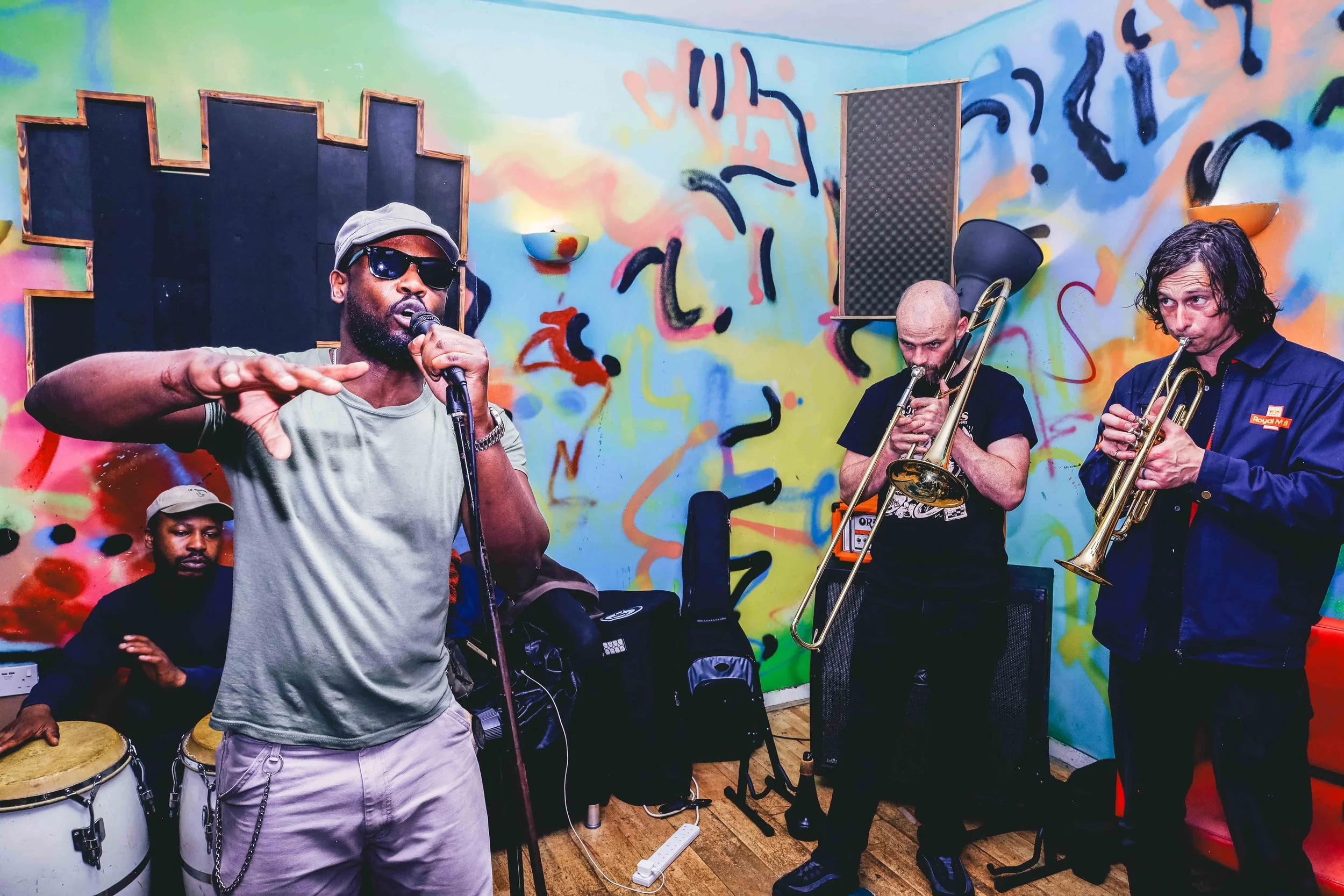
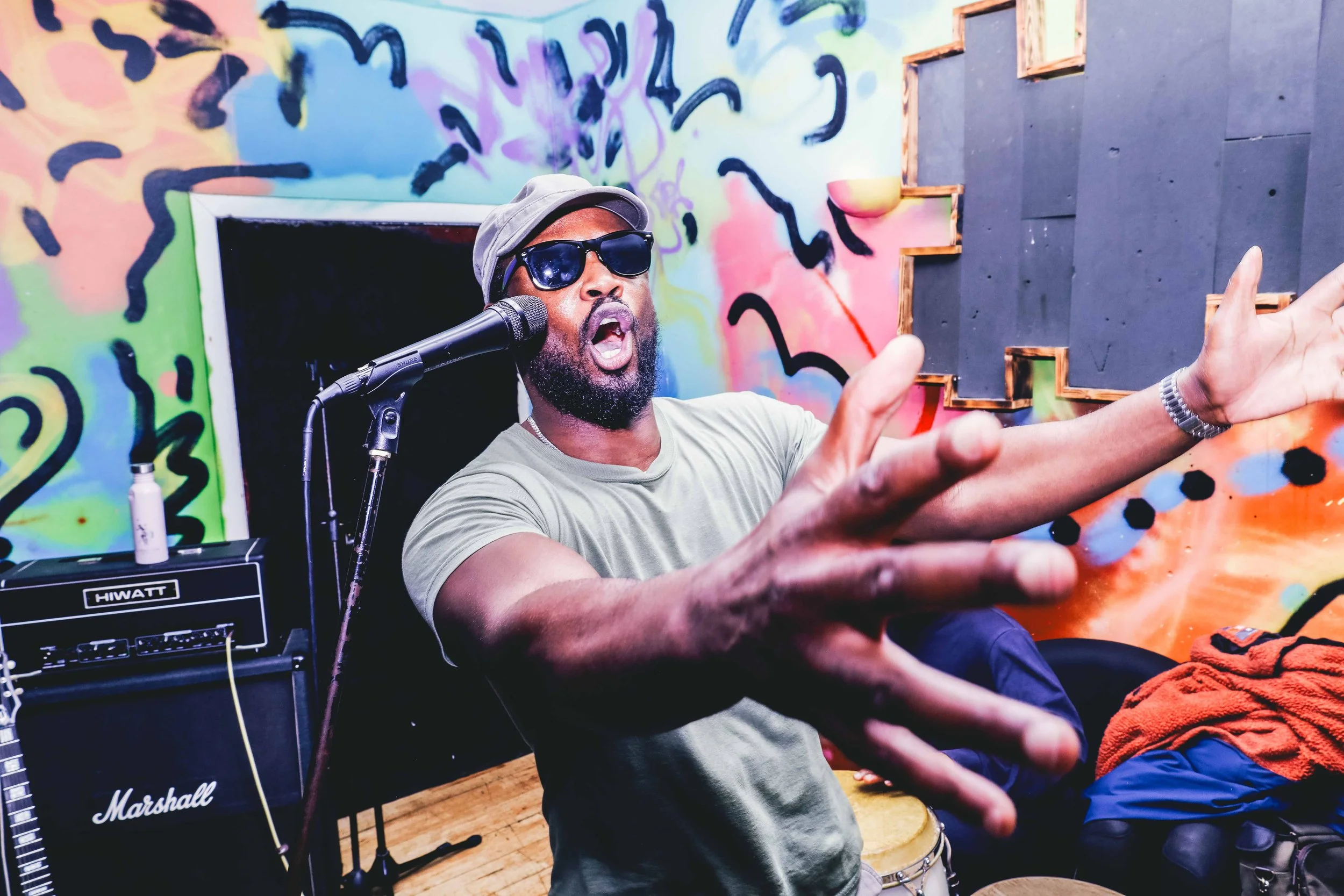
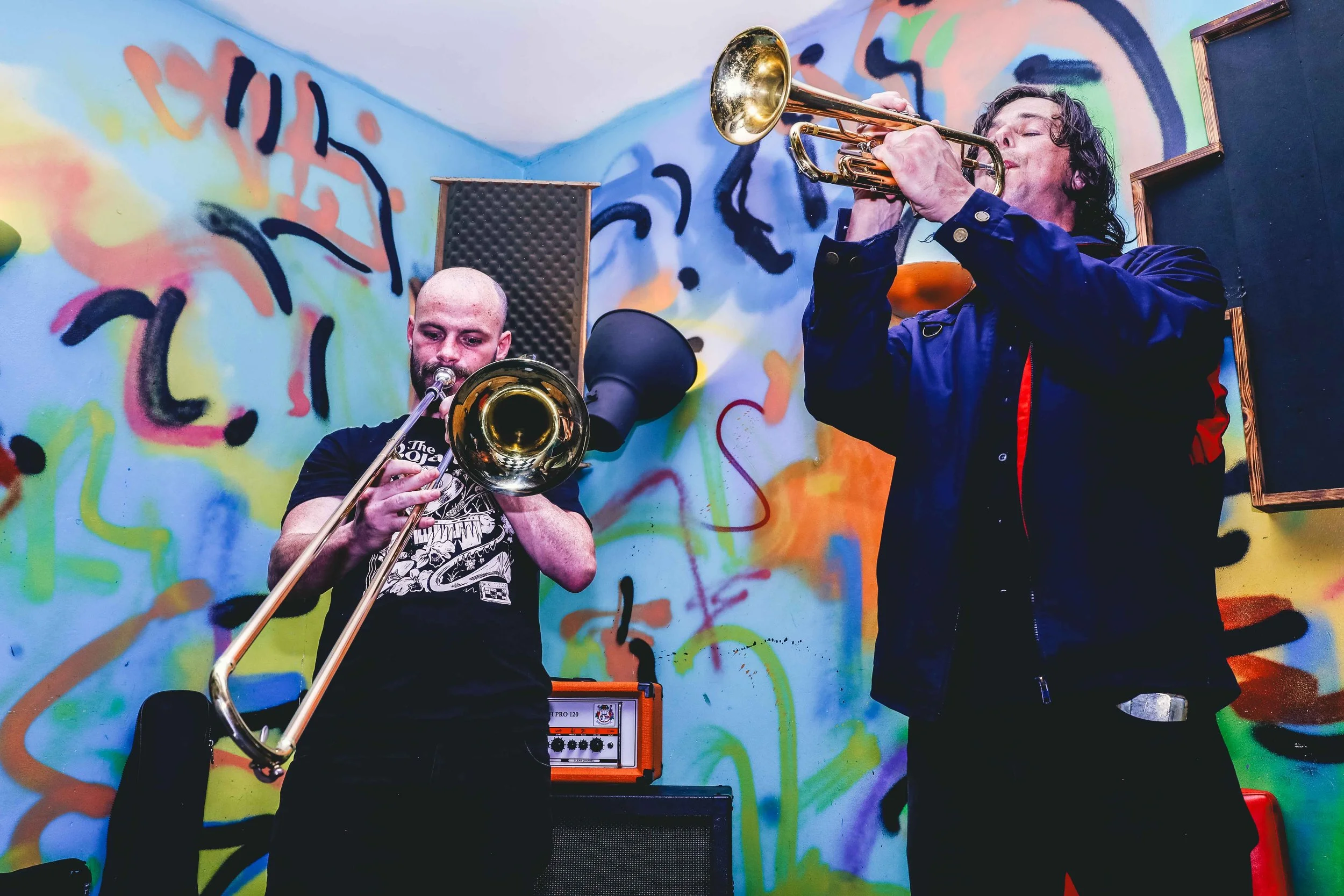
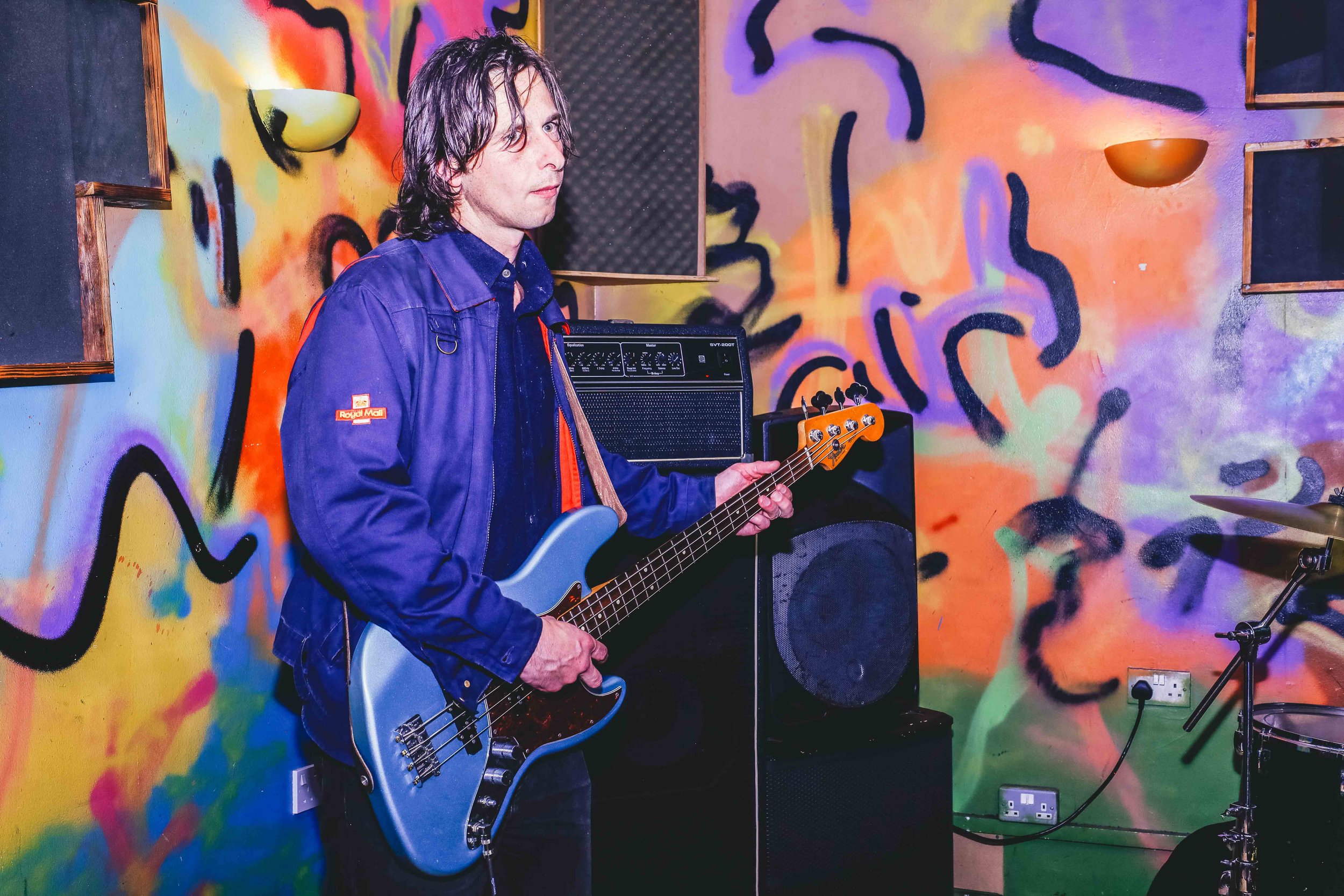
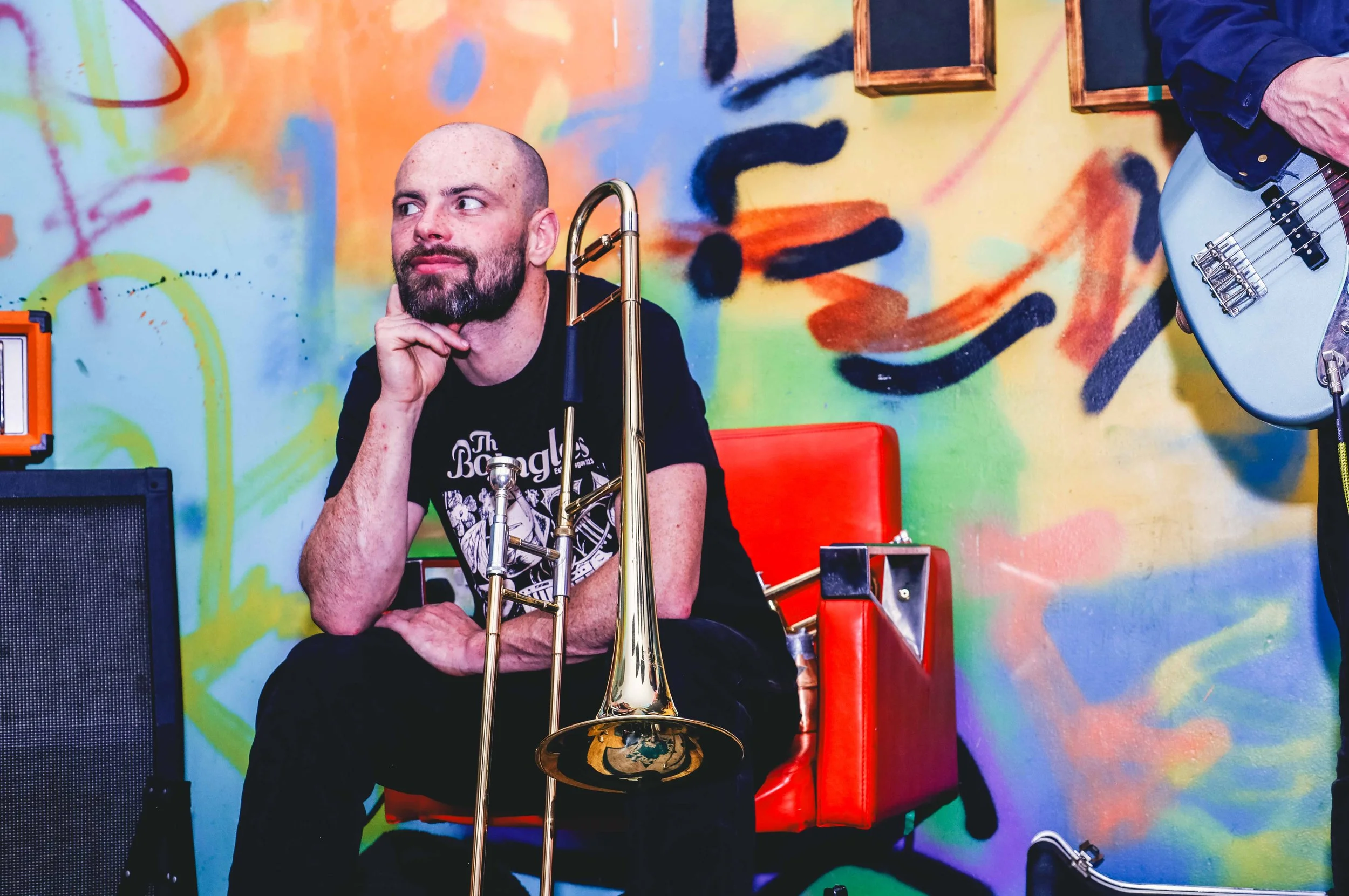
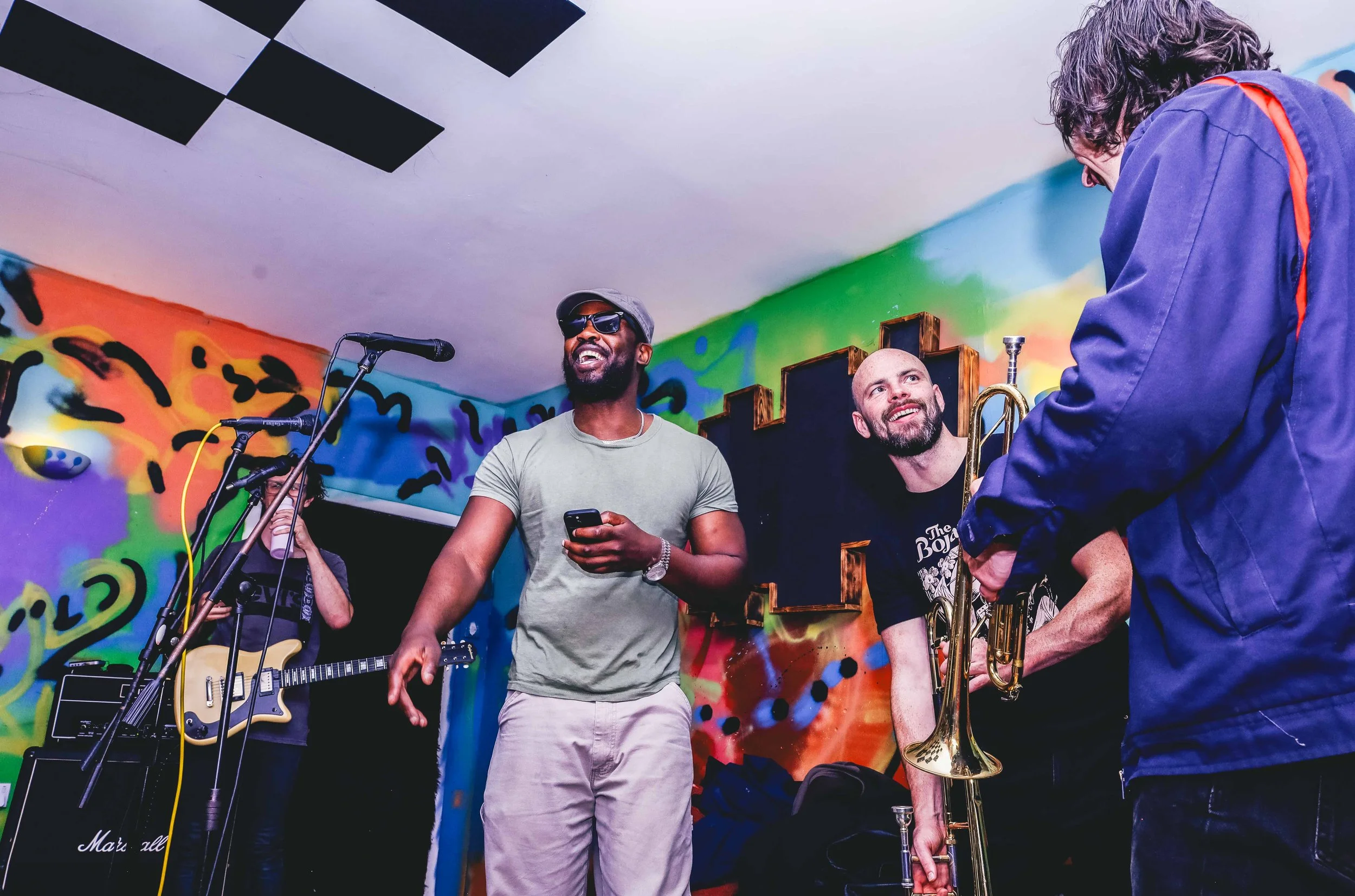
Themes of unity and equality are quickly established: the rallying ‘Raise Up’ commands togetherness with bursts of energetic brass and a mantra-like chant: “All is one, one is all”. A highlight comes from ‘The Xcapegoat’, a call to revolution that manages to stay lighthearted amidst political frustration and misdirected anger. Ngana says: “Art and music aren’t separate from politics. It is reactionary music; the stories come directly from experiences we’re living through. I want migrants to be part of the conversation about migration.” Ngana continues: “Too often, people speak about us without letting us speak for ourselves. Many migrants don’t have the resources or time to participate in culture, they’re focused on survival.”
Across the record, Makongo moves between extremes – from the fire and fury of ‘The Drums’ to moments of choral calm in ‘Paz e Amor’ and ‘África’ – it refuses to settle into a single emotional register. But Makongo’s storytelling shines in their more satirical moments. ‘Hustling n’ Bustling’ combines brass fanfares with a spoken word sketch intro to paint a vivid picture of contemporary life and migration. Their playful, experimental side remerges on ‘Office Negro (Rainbow Corporation)’, a fast-paced, Spanish-infused track with electronic flourishes.
“Humour is really important to me, it makes the message more digestible. Laughing in the face of heavy themes can be powerful. If you take everything too seriously all the time, you’ll go crazy.” Ngnana explains.
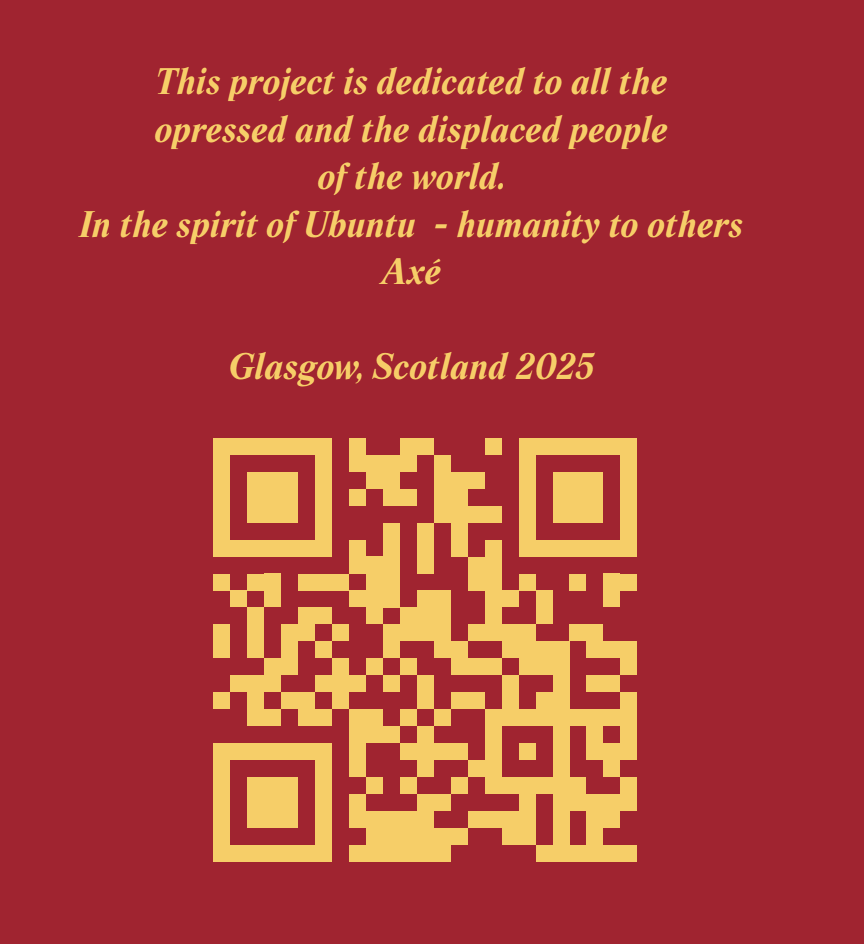
A message from Makongo
Makongo will launch ‘Passport’ at The Glad Cafe on 30 January.
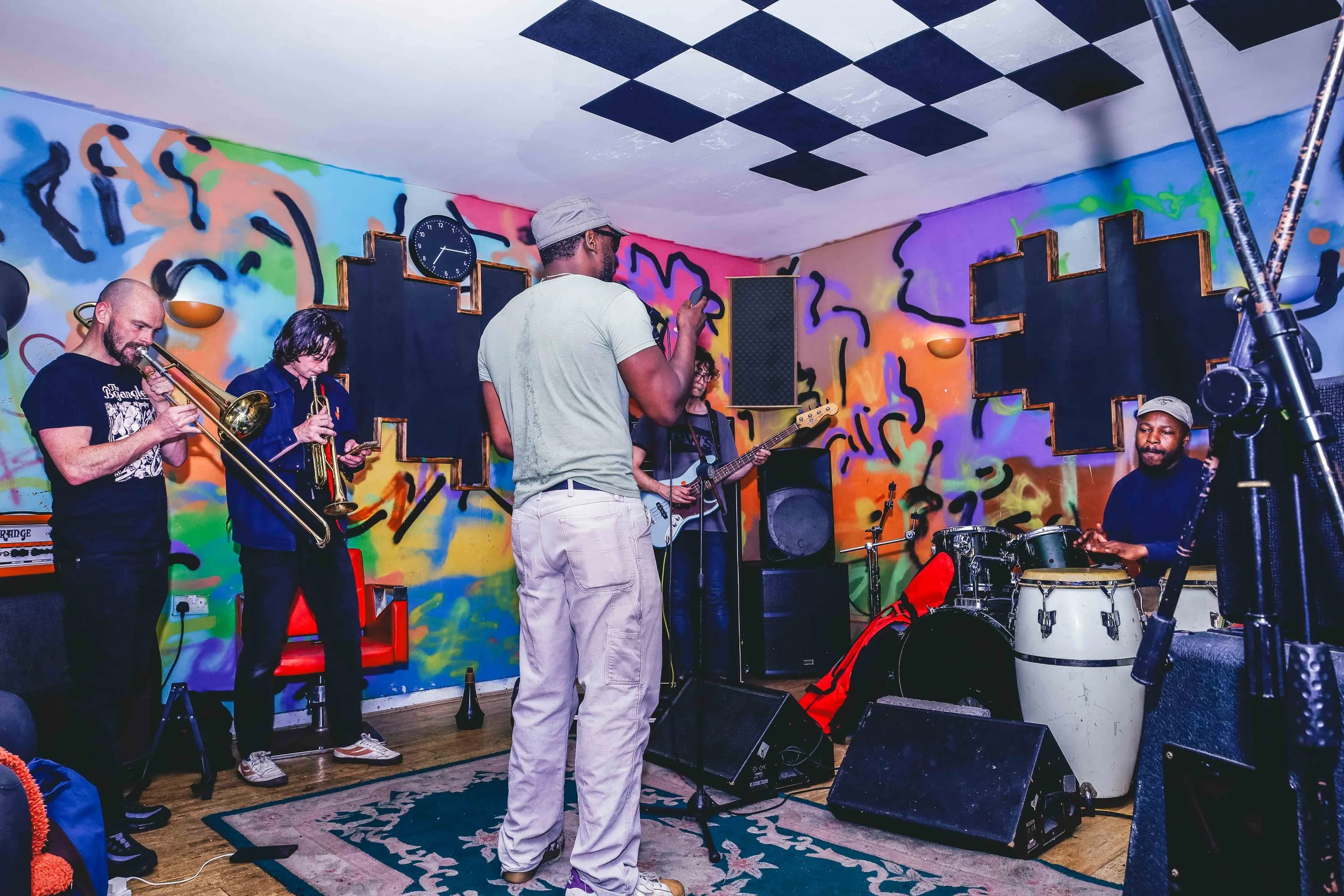
Ngana notes: “The album was designed to be played live. In an age of mass-produced and artificial art, we wanted something rich and human: horns, percussion, explosive sounds. The recorded version is sonically rich, but live, it becomes something else entirely.”
Reflecting on what’s next for the collective Ngana says: “The gig first of all, then some rest. Hopefully touring around Scotland and the UK, partnering with organisations like Love Music Hate Racism and continuing to amplify these messages.”
‘Passport’ is at its strongest when it resists neat conclusions. It is messy, multilingual and occasionally overwhelming, much like the realities it reflects. Accessible on Bandcamp with a “pay what you can” option, Makongo’s debut invites listeners into a collective vision shaped by Govanhill’s streets and global connections alike.
As Ngana puts it: “No one is illegal, we are all equal” a message ‘Passport’ insists on.