Cricket in Glasgow: loved by many but still facing barriers
As a parent-volunteer involved in youth cricket, community reporter S.A. Jaffery regularly sees how much enthusiasm there is for the sport in Glasgow, but also how a lack of support could endanger it. He explores both the benefits of – and the barriers facing – one of the Southside’s most popular sports.
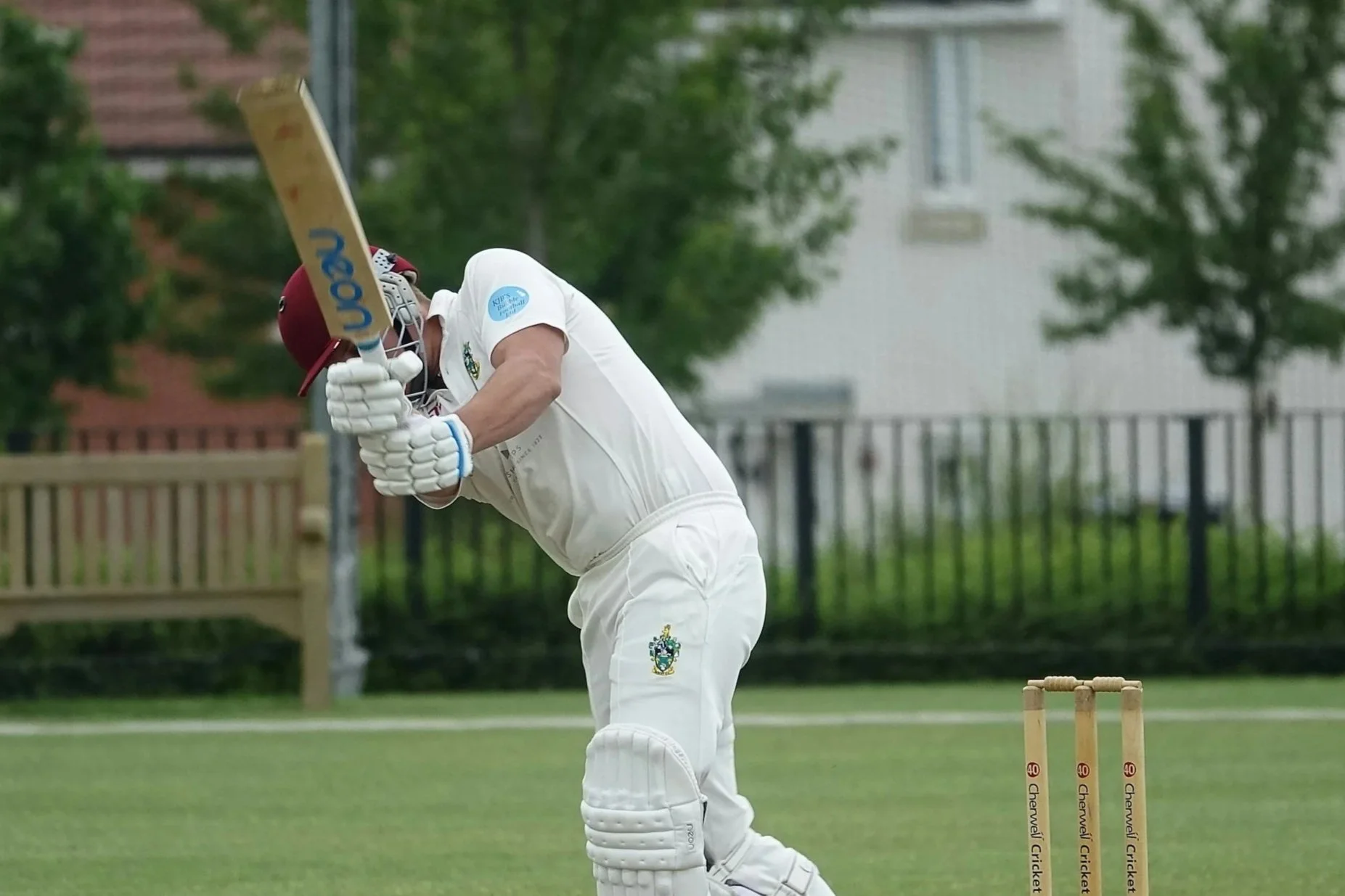
By S.A. Jaffery | Photo by Michael Weir
Cricket is one of the world’s most popular sports, played and followed by millions of people across Pakistan, India, Bangladesh, Sri Lanka, Afghanistan, England, Australia and many other countries.
For many families in Glasgow’s Southside, cricket is much more than a game. It is part of their culture, identity and community life.
In communities across Govanhill, Pollokshields and other parts of Glasgow, cricket is a sport that brings families together. Children learn teamwork, discipline and confidence while parents and volunteers dedicate their time to supporting local clubs and youth teams. For many migrant and low-income families, cricket also provides a sense of belonging and connection to their heritage.
Despite this passion, many parents feel that cricket remains overlooked compared with other sports, particularly football. While football is visible in schools, parks and community programmes across the city, cricket often struggles for attention, funding and facilities.
As a parent-volunteer involved in youth cricket, I regularly speak with families who want their children to play the game but face practical and financial barriers. These challenges are not always obvious from the outside, but they can have a significant impact on whether children can participate.
One of the biggest issues is affordability. Unlike football, where children can often play informally in local parks or join community programmes at relatively low cost, cricket relies heavily on a club membership model. Most clubs charge annual or monthly subscription fees to cover coaching, facilities, equipment and league participation.
Local clubs work incredibly hard to keep costs as low as possible, but many operate on very limited budgets. Most rely on volunteers, fundraising activities and membership fees to survive. Compared with larger sports, cricket often receives less sponsorship and fewer funding opportunities. This means clubs frequently struggle to provide free equipment, subsidised memberships or additional support for children from low-income families.
The cost of equipment is another major challenge. A young player needs a cricket bat, helmet, gloves, pads, cricket shoes and cricket whites. Even a basic starter kit can cost a considerable amount of money. Higher-quality equipment costs significantly more.
For families already dealing with rising food prices, energy bills, rent and other household expenses, cricket equipment can become difficult to afford. Some parents make sacrifices to ensure their children can continue playing. Others delay buying equipment or rely on second-hand items. Sadly, some young people stop participating altogether because they feel uncomfortable admitting that their family cannot afford the equipment needed.
Finding cricket equipment is not always easy either. Unlike football equipment, which is widely available in sports shops across Glasgow, cricket gear can be difficult to find locally. Many parents have little choice but to order equipment online from England or elsewhere in the UK, adding delivery costs and making it harder to check sizes before purchasing.
Travel is another hidden barrier. Not every family lives close to a cricket club. Children often need to travel significant distances to attend training sessions and matches. For families without access to a car, public transport costs can quickly become expensive, especially when a child attends multiple training sessions each week.
Many parents rely on lifts from friends, coaches and volunteers. Without this community support, some children would struggle to participate regularly. Transport costs may seem small individually, but over an entire season they can become a significant burden for families already facing financial pressures.
Access to facilities presents another challenge. Cricket requires specialist grounds, practice nets and well-maintained pitches. Many clubs do excellent work maintaining their facilities despite limited resources. However, securing long-term access to suitable grounds is not always straightforward.
The difficulties experienced by Poloc Cricket Club highlight these challenges. In 2023, the historic Glasgow club, which had been part of the city’s sporting landscape for 145 years, lost the lease to its Shawholm ground in Pollok Country Park.
Despite efforts by the club and Cricket Scotland to find a solution, discussions were unsuccessful, and the club was forced to dissolve after losing access to its home ground. This demonstrates how vulnerable community sports organisations can be when access to facilities is not secure.
Cricket also competes heavily with football for space and resources. In schools, public parks and local sports programmes, football often receives priority due to its popularity and lower infrastructure requirements. As a result, cricket opportunities can be limited.
Many parents believe schools could play a greater role in introducing children to cricket. In some areas of England, cricket is a regular part of school sports programmes. In Glasgow, however, opportunities vary considerably, and many children may never have the chance to try the sport unless a family member introduces them to a local club.
This affects not only participation but also talent development. Scotland has produced talented cricketers, but many parents and coaches believe there are young people with potential who are never discovered because they are not exposed to cricket at an early age.
Beyond the sporting benefits, cricket provides important social and community value. It helps children develop confidence, communication skills and friendships. It encourages healthy lifestyles and offers positive activities outside school hours. For children from migrant and low- income families, sport can also support integration, foster a sense of belonging, and help them feel connected to their local communities.
Cricket clubs across Glasgow bring together people from different backgrounds, cultures and faiths. They create opportunities for communities to meet, learn from each other and work together. This is particularly valuable in diverse neighbourhoods such as Govanhill and the wider Southside.
There have also been discussions in recent years about equality and inclusion within Scottish cricket. Following concerns raised at a national level, steps have been taken to improve diversity and create a more inclusive environment. Most parents simply want to know that every child will have an equal opportunity to succeed based on their talent, commitment and hard work.
The good news is that there are examples of support available to families facing financial pressures. The Scottish Government has introduced measures aimed at reducing child poverty and supporting low-income households. In June 2026, Social Justice Secretary Shirley-Anne Somerville highlighted that Scottish Government support for families could be worth up to £26,000 by the time a child reaches 16, alongside additional funding to support families during school holidays.
These measures provide valuable help for many households. However, there is still an opportunity to explore how support could be extended to improve access to community sports such as cricket. Small grants for equipment, travel assistance, community coaching programmes and school cricket initiatives could make a significant difference for children who might otherwise miss out.
The passion for cricket already exists across Glasgow. Every week, volunteers coach young players, parents organise transport and clubs work hard to keep the sport alive. What many families are asking for is not special treatment but greater recognition of the barriers they face and more support to help children participate.
Cricket is much more than a sport. It builds confidence, strengthens communities and creates opportunities for young people to develop both on and off the field. As Glasgow continues to celebrate its diversity and multicultural identity, cricket deserves greater support and investment.
Every child who wants to play should have the opportunity to do so, regardless of their family’s income, postcode or background. With stronger partnerships between schools, local authorities, sponsors and community clubs, cricket can continue to grow and become even more accessible to the next generation of players.
For many families across Glasgow, cricket is already part of everyday life. The challenge now is ensuring that the doors to the sport remain open for everyone.
