Jasleen Kaur unveils artwork for Commonwealth Games
Turner Prize-winning artist, Jasleen Kaur, reveals artwork, Superstructure, for the Commonwealth Festival. Writer Emma Bainbridge speaks to the Pollokshields born artist about the work and how it explores trade, industry, and empire on the Clyde.
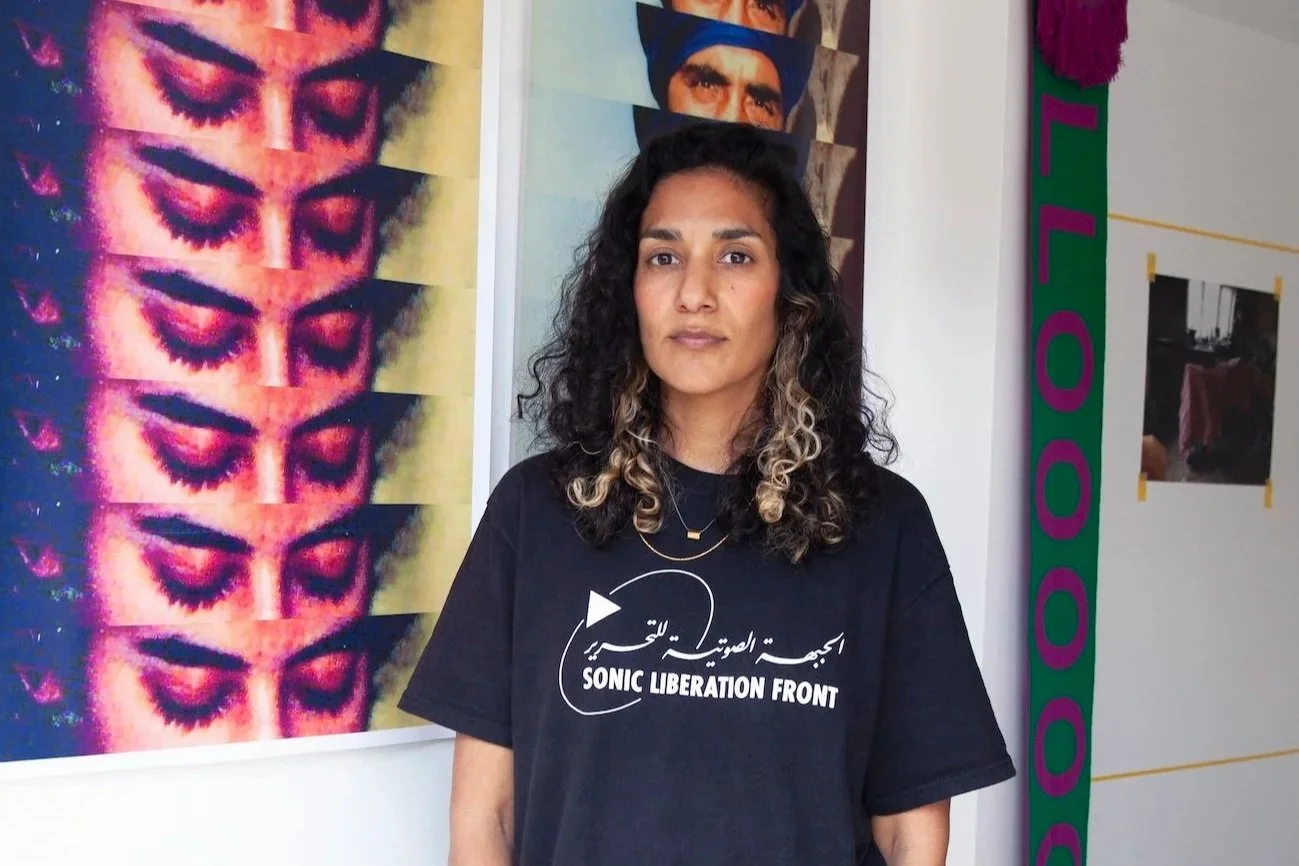
Artist Jasleen Kaur
By Emma Bainbridge | Photos by Eoin Carey and Suzannah Pettigrew
The Commonwealth Games Festival has brought a new public artwork to the banks of the Clyde.
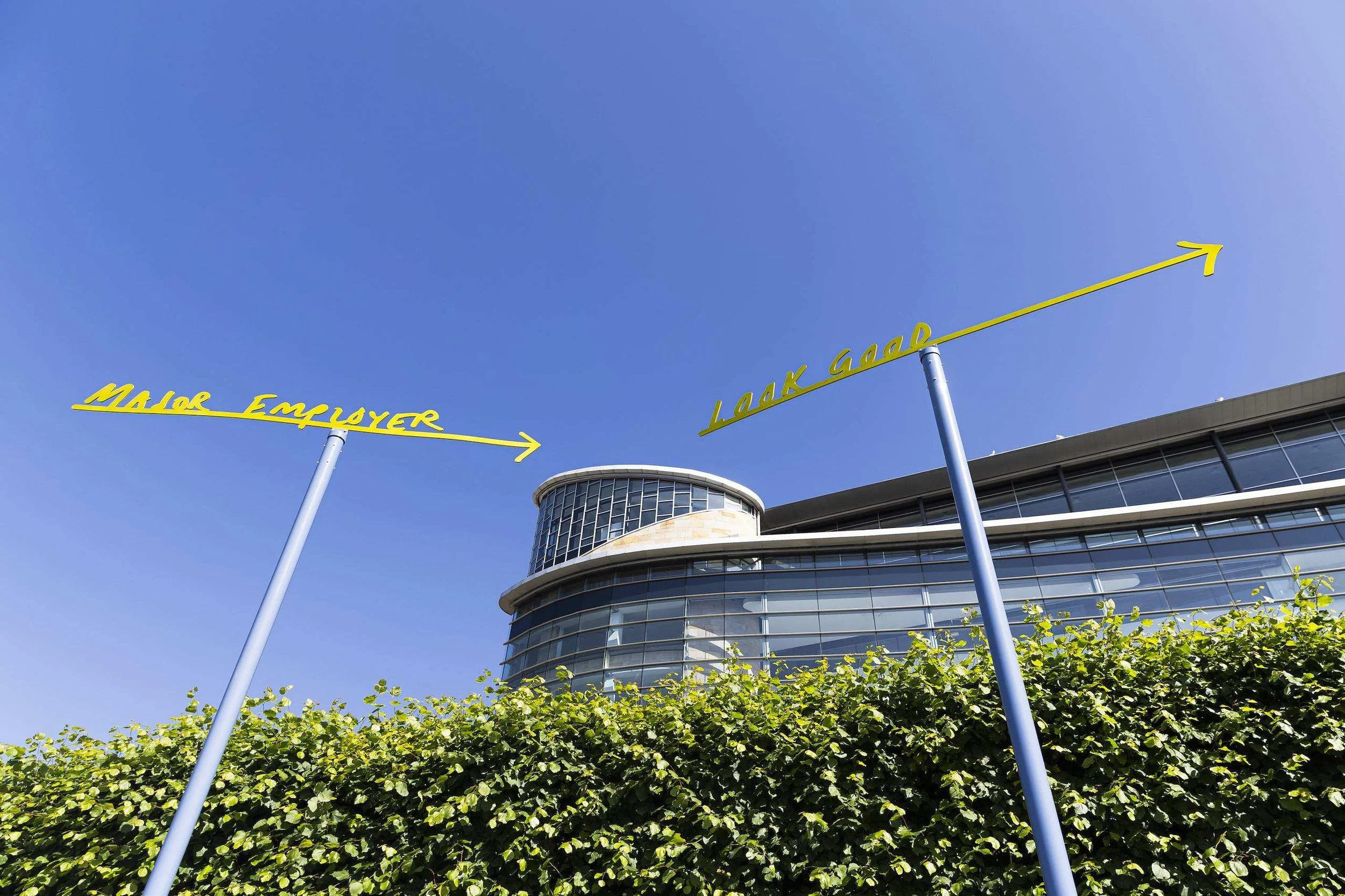
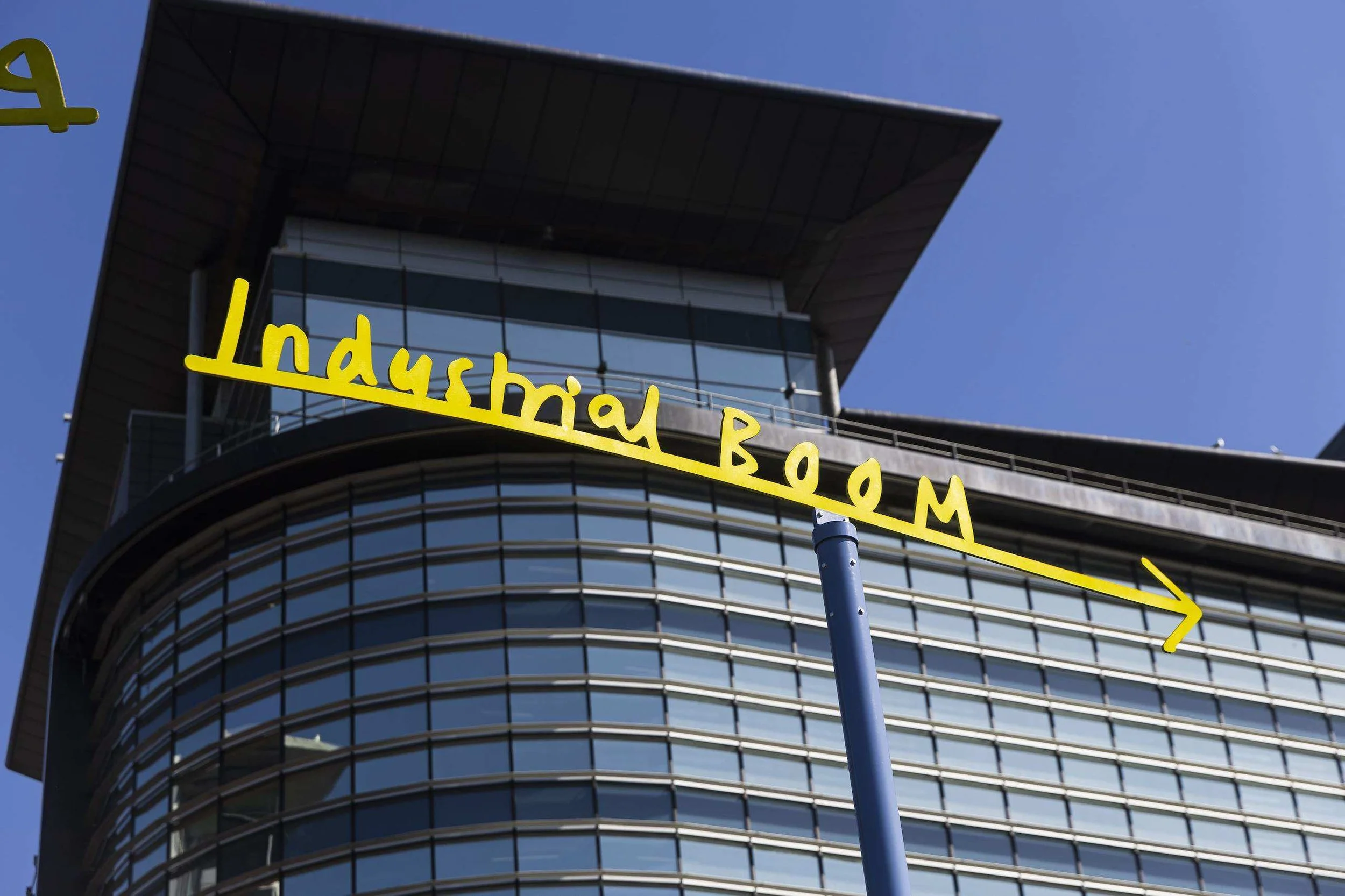
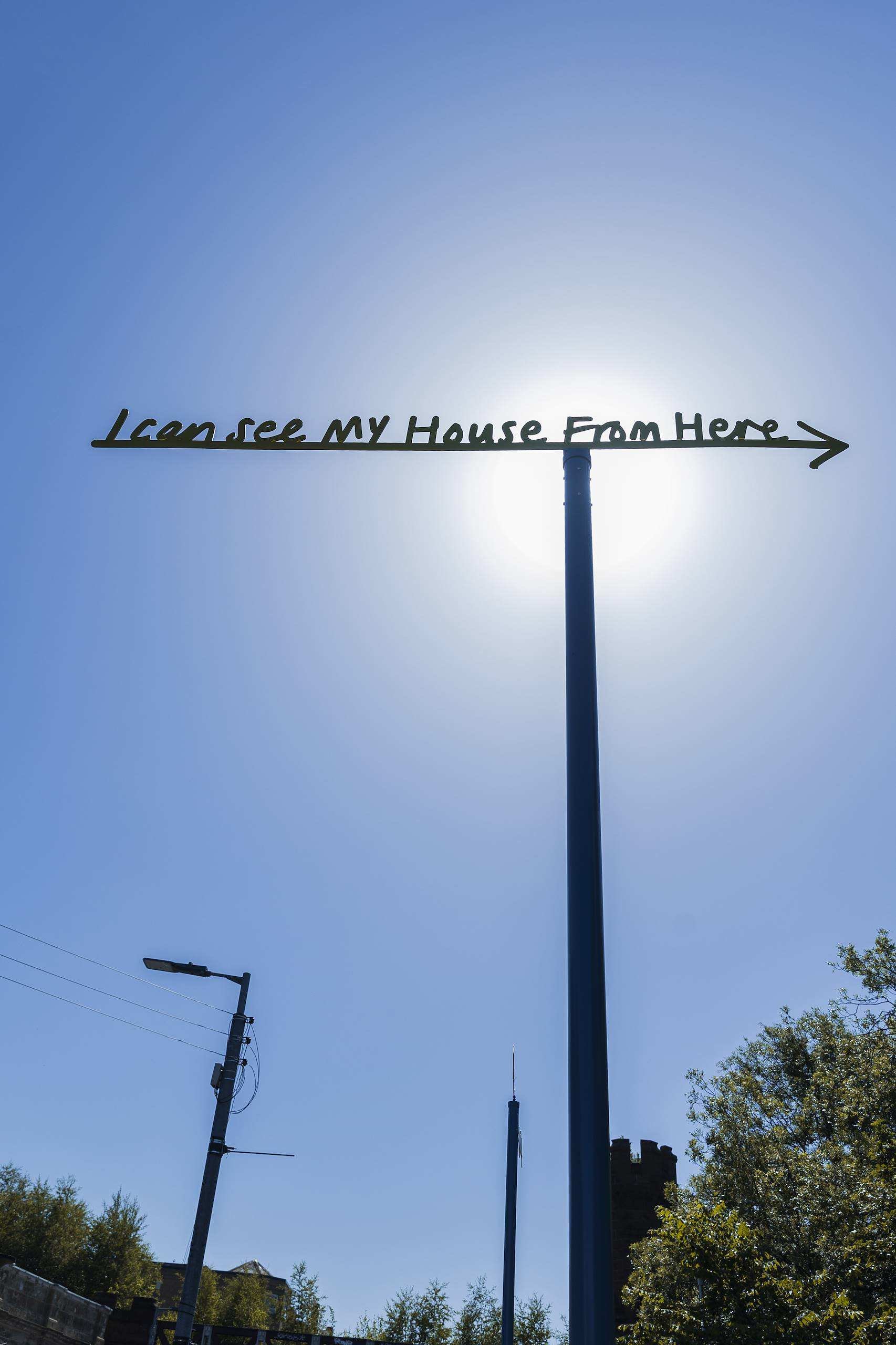
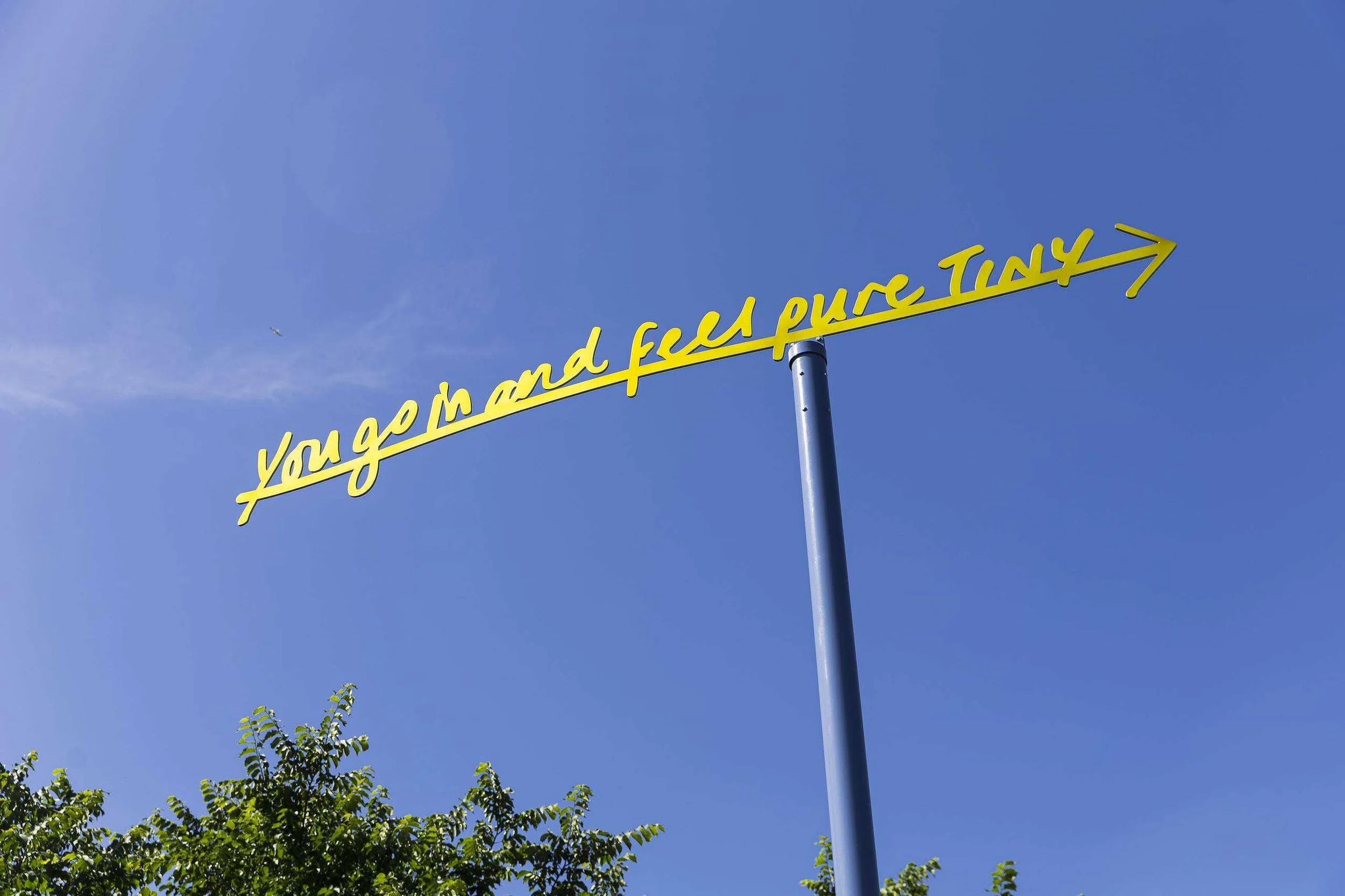
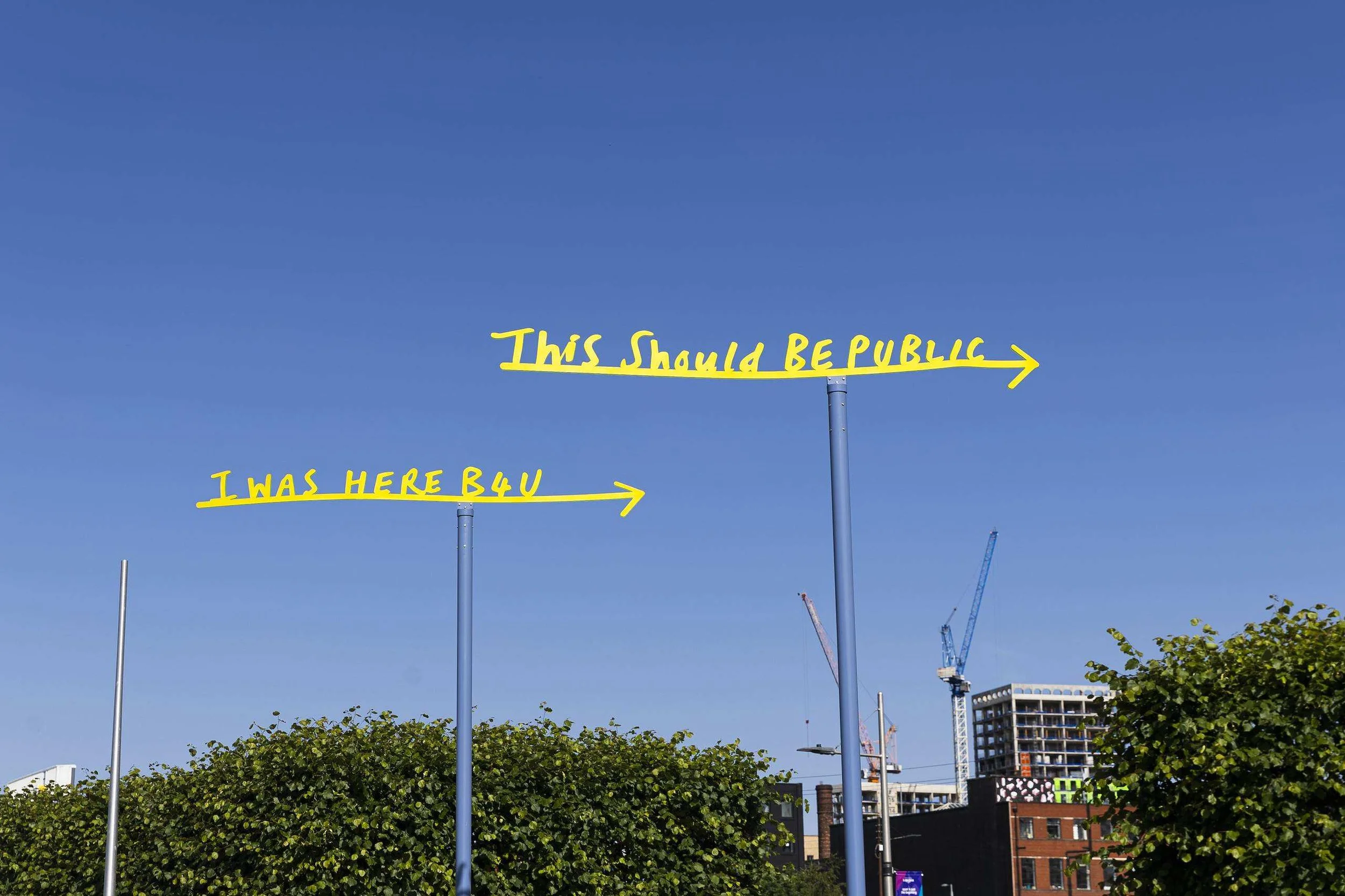
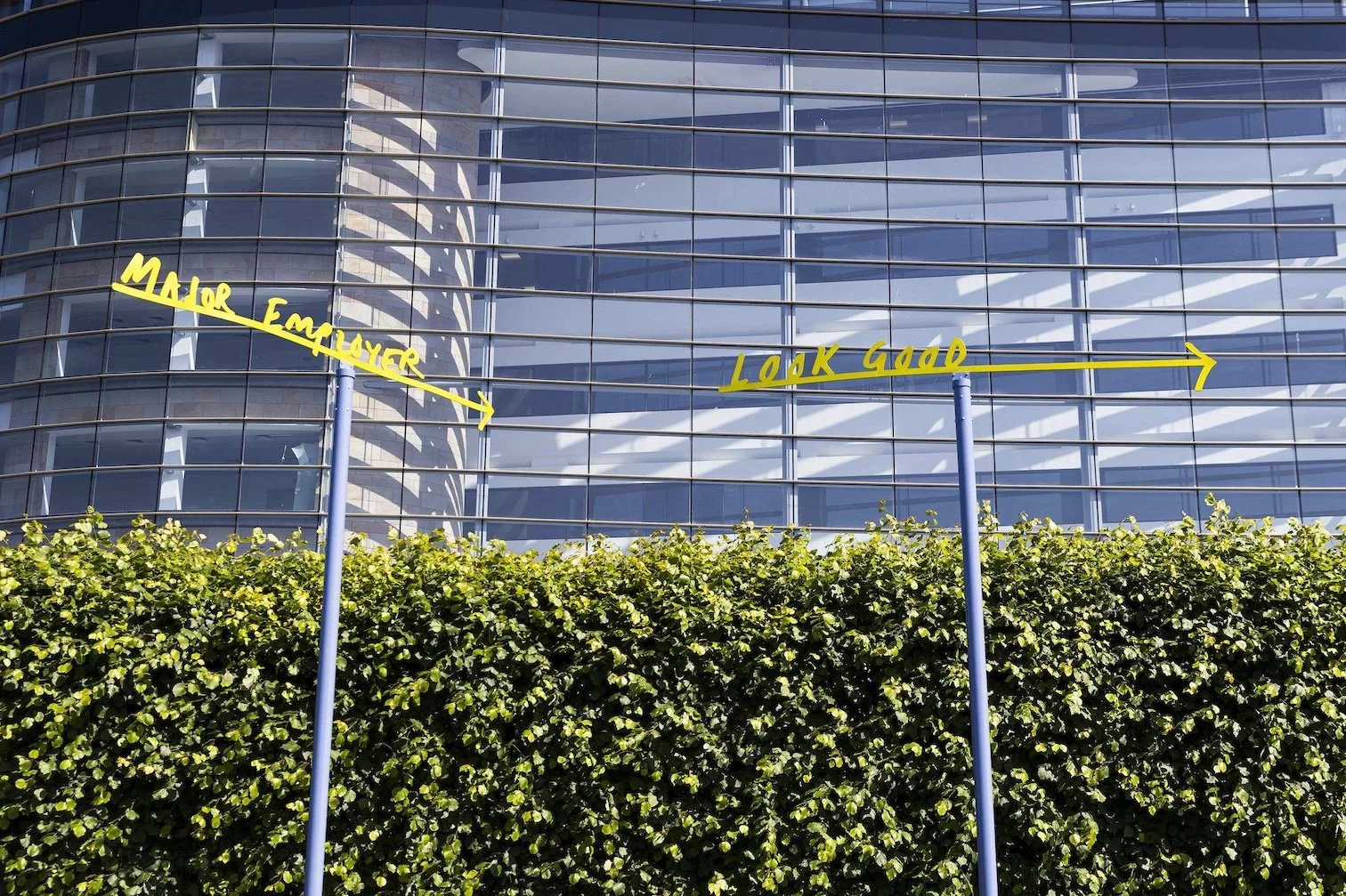
Unveiled on June 25, Jasleen Kaur’s Superstructure consists of eight weathervane-like structures across the north walkway, stretching from Kingston Bridge to the Briggait. Each structure has a unique word or phrase on top of an arrow which rotates in the wind.
“It's quite an ask to be asked to make an artwork for the Commonwealth Games,” said Kaur, who grew up in Pollokshields but now lives in London. Although apprehensive of the Commonwealth’s history and ongoing legacy of colonialism, she described the experience as “it felt like a really supportive commission to make work that I wanted to make.”
She explained that the idea came from a four-year project for the Thamesmead area in London, where she designed a similar structure representing local voices, memories, and feelings in the town square, particularly the history of Traveller communities in the area.
Drawing on Marxist geographer Doreen Massey’s idea that maps are not the only way to depict a place, she hopes that these artworks offer “another way to read a space.”
For Glasgow, Kaur chose to focus on the River Clyde, inspired by her family’s history with the shipbuilding industry, which brought them to Glasgow in the 1950s. She decided to explore questions of governance and ownership over the river.
Read more: Jasleen Kaur: Alter Altar at the Tramway
“If you look on the Clyde, and you think about what is here as you walk up and down it, and the things that are burgeoning on the Clyde; it is arms and defence, it is wealth and taxation, it is judiciary,” she said. “That's how the Commonwealth functions. It functions through taxation and possession and gaining assets.”
The phrases on the structures range from personal and intimate, such as “I can see my house from here,” to reminiscent of the river’s industrial history, such as “poured concrete” and “industrial boom,” to overtly political slogans such as “this should be public.”
“I really hope that because they are constantly moving, at some point they will line up with things that I intended, like Barclays or like the direction of BAE Systems,” said Kaur. “Sometimes they will align with things more serendipitously because all of our public spaces, seemingly public spaces, are kind of rife with these questions of governance and wealth and ownership.”
Kaur’s work is supported by research from Jude Barber and Louise Welsh, whose podcast “Who owns the Clyde?” investigates ownership of the river and how it can be reclaimed for residents, visitors, and ecosystems.
Barber described Kaur’s work as challenging colonial narratives “in a way that's very rich and very thoughtful, actually, and also to a degree playful.”
“I would just love to see more of this kind of work, and there's obviously artists working all over the city exploring these themes,” she said.
Superstructure will remain on the Clyde for the duration of the Commonwealth Games Festival. Kaur has donated the artwork to the city as a legacy of the Glasgow 2026 Festival.